The American Heartworm Society is the leading resource on heartworm disease, and our mission is to lead the veterinary profession and the public in the understanding of this serious disease. Every year, hundreds of stories are written on the diagnosis, prevention and treatment of heartworm, as well as on the plight of affected pets. These stories are an important way of reaching both veterinary professionals and pet owners with information they need to know about heartworm disease.
The American Heartworm Society is led by a board of directors comprised of veterinarians and specialists in the fields of veterinary parasitology and internalmedicine. As leaders in the fight against heartworm disease, they are available as resources and authors of related stories.
Members of the media are encouraged to contact the American Heartworm Society for information, visuals and interviews about heartworm disease. Please contact Sue O’Brien at Obriensuek@gmail.com. This email is for media inquiries only. All other inquiries, please email: info@heartwormsociety.org.
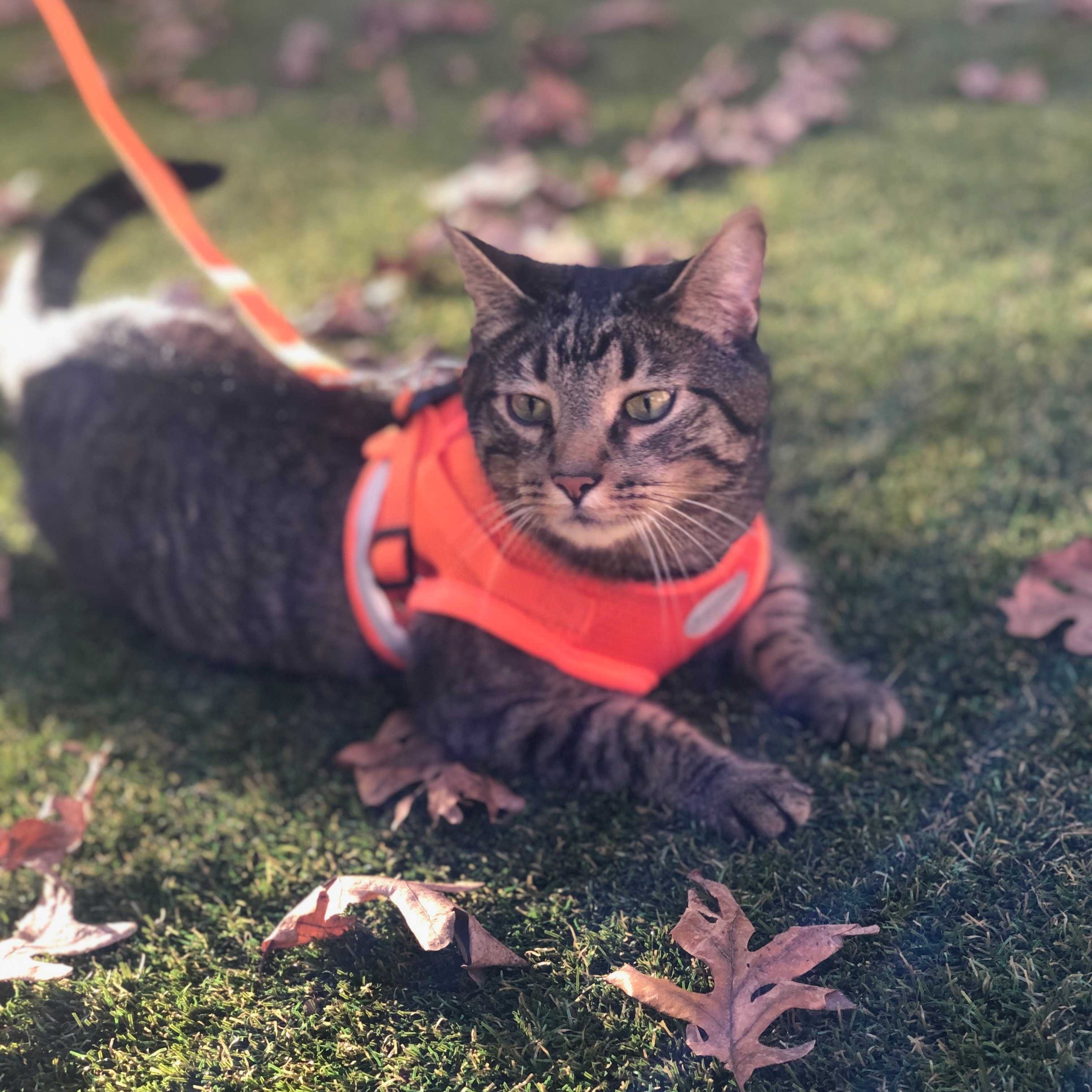
Heartworm disease is a deadly disease in cats that is spread by infected mosquitoes. Unlike dogs, cats have no approved medications available to treat heartworm infection, making heartworm prevention especially important.
Heartworm preventives for cats come in two different forms: oral medications, which are bite-sized flavored pills; and topical medications, which are put on the back of the cat’s neck.
Heartworm disease is not just a dog disease. Cats get heartworms the same way that dogs do, through the bite of infected mosquitoes. Because cats have different physiology than dogs, however, heartworms affect them differently than their canine counterparts.
American Heartworm Society releases new heartworm survey results
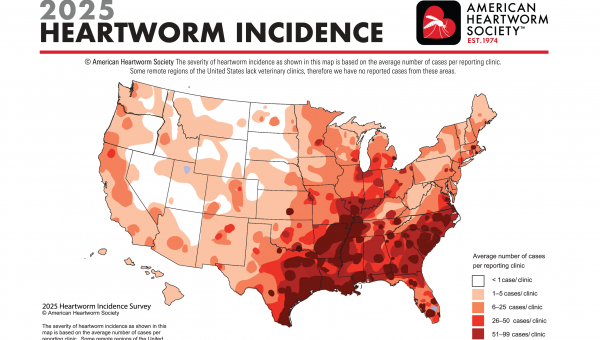
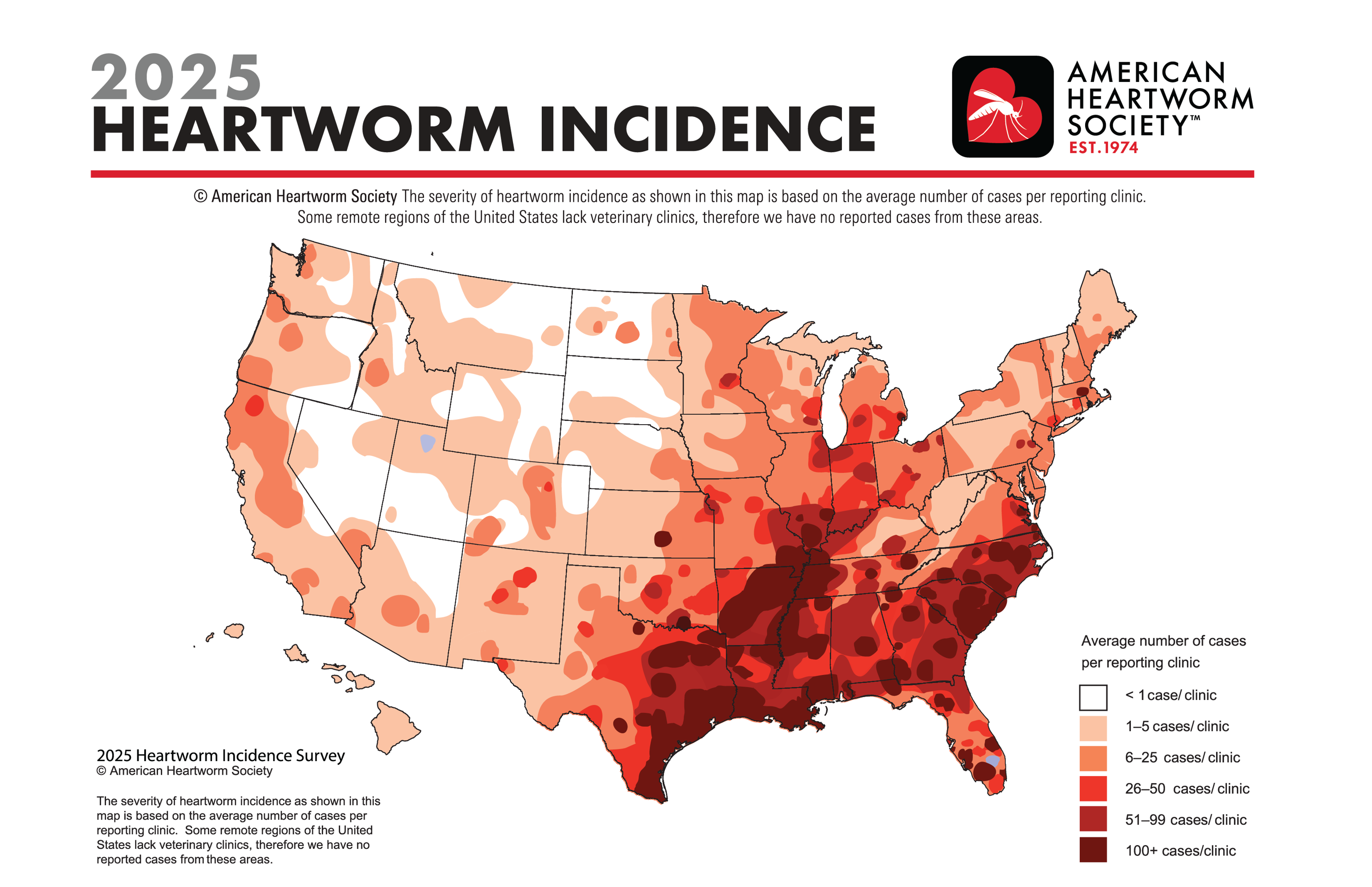
HOLLY SPRINGS, NC, UNITED STATES, May 4, 2026 /EINPresswire.com/ -- The results of the latest American Heartworm Society (AHS) heartworm incidence survey show that while heartworm disease in the U.S. is highly preventable in pets, it continues to be diagnosed nationwide. And while the disease is most common in warm and humid regions of the country, the survey showed that cases continue to spread into areas where the disease was once believed to be rare or nonexistent.
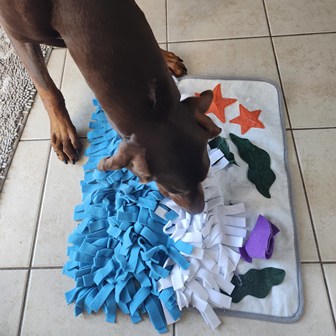
Strict activity restrictions are essential in heartworm treatment for dogs. Success depends on various factors, including safe confinement and welfare.
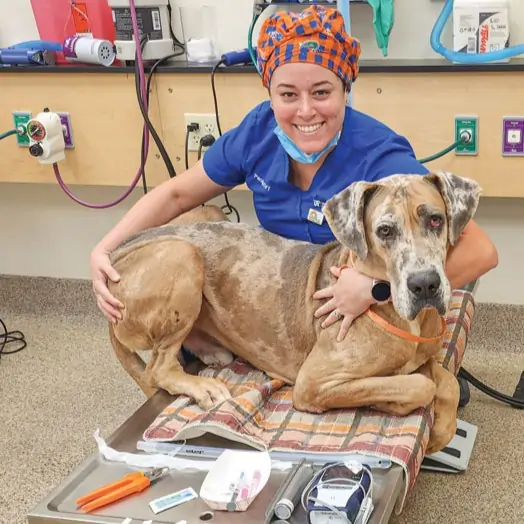
One of the more challenging aspects of heartworm treatment for dog owners is the need to implement strict activity restrictions before, during, and after adulticide therapy. The American Heartworm Society (AHS) guidelines recommend activity restriction begin for heartworm-positive dogs at the time of diagnosis and continue until six-eight weeks after the last melarsomine injection.1 The goal of this activity restriction is to reduce the inflammation caused by worm death and reduce adverse events, such as pulmonary thromboembolism.
Texas leads the nation in heartworm incidence, with cases reported nationwide
APEX, NC – The American Heartworm Society (AHS) Incidence Survey has revealed the highest U.S. heartworm rates are once again in the traditional heartworm strongholds of the Gulf Coast and southeastern states. At the same time, the survey and new heartworm incidence map also identified several new and troubling trends thousands of miles from so-called heartworm epicenters.
The AHS conducts a nationwide canine heartworm incidence survey every three years, working with veterinary practices and shelters that submit data from heartworm antigen tests run over the previous year. The latest survey was conducted in early 2026 and reflects data from heartworm testing conducted throughout 2025.
APEX, NC —The American Heartworm Society (AHS) is asking veterinarians to contribute to the profession’s understanding of heartworm disease in the U.S. by participating in the 2025 AHS Heartworm Incidence Survey.
The AHS maps, which date back to 2001, are generated every three years and are widely used by veterinarians, animal shelters, animal rescue organizations and media to educate the pet-owning public about the threat of heartworm disease. The maps, which are built using data submitted by thousands of veterinary practices and animal shelters, also provide vital insights for veterinary professionals about heartworm incidence trends and the spread of heartworms into new areas of the country.
“Every veterinary practice that submits data helps the AHS to create a more comprehensive and useful map, which in turn helps veterinarians provide valuable information to clients on the threat of heartworms in their practice areas,” stated AHS President Marisa Ames, DVM, DACVIM (Cardiology). Ames emphasized that neither size nor location of practice—nor the number of heartworm cases seen—should be a factor, adding that the brief survey can be completed online.
“Whether yours is a large or small practice—or whether you live in a warm- or cold-weather state—we urge you to submit your information,” Ames concluded.
The deadline to submit survey data is February 14, 2026. The new 2025 AHS map will be made public in April as part of Heartworm Awareness Month.
Veterinarians participating in the survey are eligible for a gift card drawing (see terms and conditionsterms and conditions). Only one survey per practice will be accepted.
About the American Heartworm Society The mission of the American Heartworm Society is to lead the veterinary profession and the public in the understanding of heartworm disease. Founded during the Heartworm Symposium of 1974. The American Heartworm Society aims to further scientific progress in the study of heartworm disease, inform the membership of new developments and encourage and help promote effective procedures for the diagnosis, treatment, and prevention of heartworm disease.
While highly effective, the American Heartworm Society (AHS) heartworm treatment protocol requires a dedicated owner able to follow all the steps of treatment over a period of months. Sometimes, circumstances disrupt the treatment plan, delaying administration of adulticide therapy. This article answers common questions the AHS receives about how to resume heartworm treatment after interruption.
Check out some key pointers to keep your heartworm screening protocol current based on the most recent recommendations from the American Heartworm Society (AHS).
By Jenni Rizzo, DVM
Heartworm screening is a familiar component of pet check-ups, but did you know that the most recent American Heartworm Society (AHS) heartworm testing guidance goes beyond antigen testing in dogs?
The AHS Canine and Feline Heartworm Guidelines, updated in 2024, recommend microfilaria testing for dogs annually alongside antigen testing, provide instructions for interpreting discordant test results, and now urge routine heartworm screening for cats as well as dogs.
(StatePoint) Heartworms are one of the most common and serious health threats faced by pets. According to the American Heartworm Society, more than a million U.S. pets are infected with heartworms, and incidence numbers are rising—even though heartworms are easily prevented. To equip pet parents to provide the protection their four-legged family members need this summer and year-round, the American Heartworm Society is sharing five vital facts about this deadly threat.
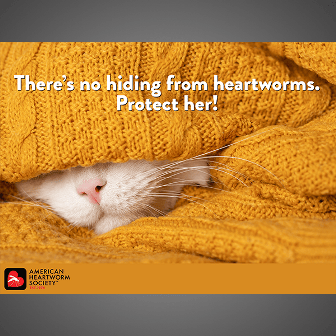
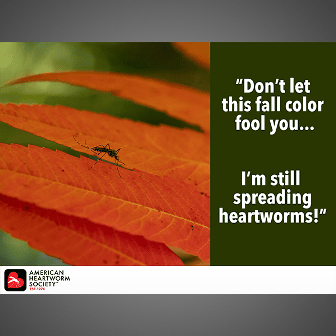
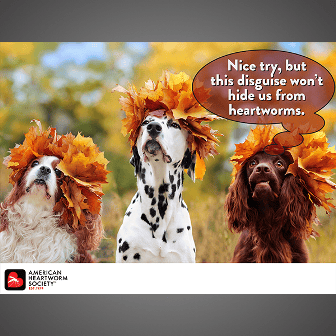
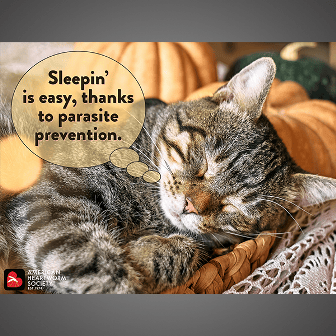
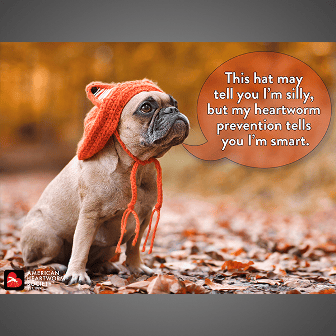
When warm weather hits, you will want to ramp up your heartworm education efforts. To help make this goal easy--and fun--the AHS has created a new set of posters to print or post on your social pages.
To save or print a poster, just click on the image below, then click on the “download” button and save the PDF file.
To save a poster for use on your social pages, simply open the downloaded poster, then right click on the file and follow the menu instructions to save the file as a JPEG image.